Crossplay Dominates Competitive Online Matches
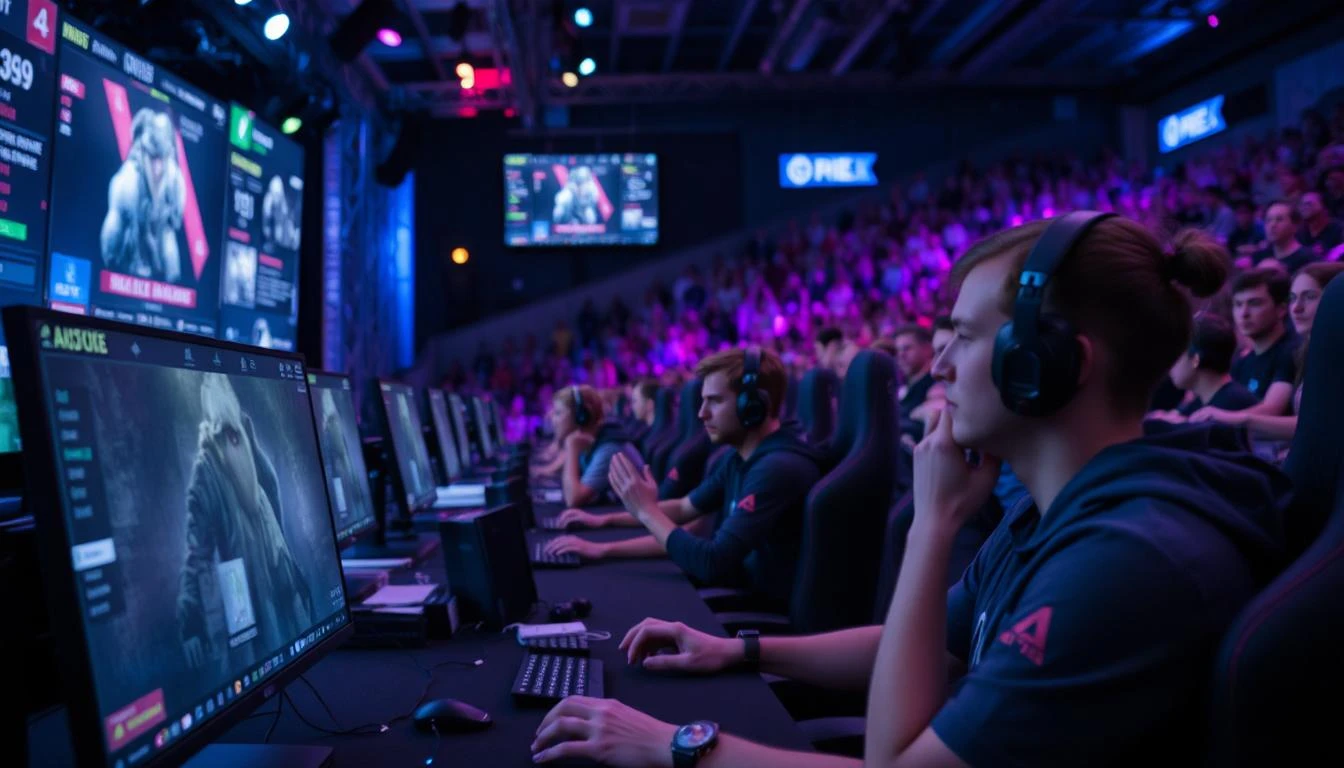
The competitive gaming world is no longer sitting comfortably in its old boundaries. What used to be separate ecosystems is now blending into one massive arena where every match feels like a global experiment in skill, timing, and adaptation. Players are being thrown into situations where hardware, connectivity, and reflexes collide in ways that weren’t even possible a few years ago.
In the middle of all this evolution, crossplay competitive balance has become the defining pressure point shaping how modern online matches function. It is the invisible tension between fairness and accessibility, where developers try to keep everyone competing on equal footing while the reality of different platforms keeps challenging that idea.
Evolution of Crossplay in Competitive Online Matches
The shift toward crossplay didn’t happen as a dramatic revolution. It unfolded quietly, patch by patch, until suddenly players from completely different platforms were sharing the same ranked ladders. This shift redefined expectations of fairness and competition in ways many didn’t anticipate.
Developers had to rethink everything from server stability to latency compensation. As gaming engineer Ryo Nakamura once stated, “Cross-platform systems don’t just connect players, they rewrite the physics of competition itself.” That statement reflects how deeply infrastructure now influences gameplay outcomes.
Technical infrastructure enabling cross-platform play
Behind every seamless match is a layered network of cloud servers, synchronization systems, and adaptive netcode. These systems constantly try to reduce lag spikes, balance tick rates, and maintain consistency across vastly different hardware setups. The goal is simple in theory but brutal in execution, make every player feel like they are playing on equal ground.
Matchmaking balance between platforms
Balancing matches across platforms is where things get messy. The system must evaluate hidden performance metrics, input types, and historical data to build fair lobbies. Even then, debates continue over whether true fairness exists when console and PC players are sharing the same competitive space. The tension around crossplay competitive balance grows stronger with every ranked season.
Input differences and competitive fairness
Mouse precision versus controller assistance remains one of the most controversial aspects of crossplay. Small adjustments in aim assist or input smoothing can completely change engagement outcomes. This creates an ongoing balancing act where developers constantly tweak parameters to avoid favoring one ecosystem too heavily over another.
Competitive Meta Shifts Driven by Crossplay Integration
Crossplay doesn’t just connect players it reshapes how they think, move, and strategize inside matches. Entire metas evolve faster because the player pool is larger and more diverse than ever before. A game designer, Elena Vasquez, once noted, “When platforms merge, metas stop belonging to regions and start belonging to creativity.” That shift is visible in almost every modern competitive title.
Rise of hybrid player strategies
Players are no longer sticking to rigid roles. Instead, they blend aggressive and defensive styles depending on the lobby composition. This hybridization is a direct response to crossplay environments where predictability is a liability.
Platform-specific advantages and disadvantages
Each platform brings its own strengths into the battlefield. PC players often rely on precision and fast reaction mechanics, while console players benefit from stability and assist systems. These differences create subtle imbalances that feed directly into ongoing discussions about crossplay competitive balance.
Tournament scene adaptation
Esports tournaments are now experimenting with hybrid rule sets. Some enforce input-based divisions, while others embrace full crossplay integration. The result is a competitive scene that is still searching for a stable identity while trying to remain inclusive.
Community and Developer Response to Crossplay
The introduction of crossplay has sparked constant conversation between players and developers. Feedback loops are now faster, louder, and more influential than ever before. Communities often use ranked experiences as evidence when discussing fairness issues, especially those tied to multiplayer cross platform matchmaking systems that sometimes feel inconsistent under high player loads.
Feedback loops from ranked players
Ranked communities act as real-time testing environments. Every imbalance, bug, or perceived unfair advantage is immediately amplified through forums and social platforms, forcing rapid adjustments from development teams.
Anti-cheat and fairness adjustments
With crossplay expanding attack surfaces, anti-cheat systems have become more sophisticated. They now rely on behavioral analysis rather than simple detection patterns, aiming to maintain trust in competitive environments without breaking gameplay flow.
Long-term ecosystem stability
Sustaining crossplay requires continuous refinement. Developers must ensure that crossplay competitive balance doesn’t collapse under its own complexity. Stability depends on constant updates, player feedback, and evolving matchmaking logic.
Join the Future of Competitive Gaming Through Crossplay
The competitive landscape is no longer defined by platform loyalty. It is defined by adaptability. Every match becomes a test of how well players can adjust to unpredictable environments shaped by global matchmaking systems and evolving meta shifts. As gaming analyst Marcus Hill explained, “Crossplay is the moment competitive gaming stopped being local and became planetary.” That idea captures the scale of what is happening right now. The reality is simple but unavoidable, the more connected gaming becomes, the more dynamic and unstable competition grows. And that instability is exactly what keeps it alive.